
The plan that moves through the building, not the one that sits on the slide.
Operations and logistics consulting is where strategy meets the loading dock. Engagements at TR Group International rebuild operating models that have outgrown their original design, redesign supply chains that have lost margin to complexity, and install the operating discipline that makes the next stage of growth survivable.
What is in scope.
Engagements are written. Each scope item is defined, sequenced, and reconciled to outcomes before work begins.
- 01
Supply-Chain Optimization
Carrier strategy, network design, and inventory posture reconsidered against actual demand patterns.
- 02
Efficiency Improvement
Throughput analysis and process redesign at the points where margin is leaking — usually fewer points than the team thinks.
- 03
Operations Strategy
The operating model — roles, decision rights, and metrics — as the executable side of strategy.
- 04
Customer-Service Architecture
Onboarding, account management, and escalation pathways that protect the customers worth protecting.
- 05
Tooling & Systems Spec
Functional specifications for dispatch, ERP, WMS, and CRM decisions — written before vendors are evaluated.
- 06
Operating Reviews
Weekly and monthly review cadences that surface the right problems early enough to act.

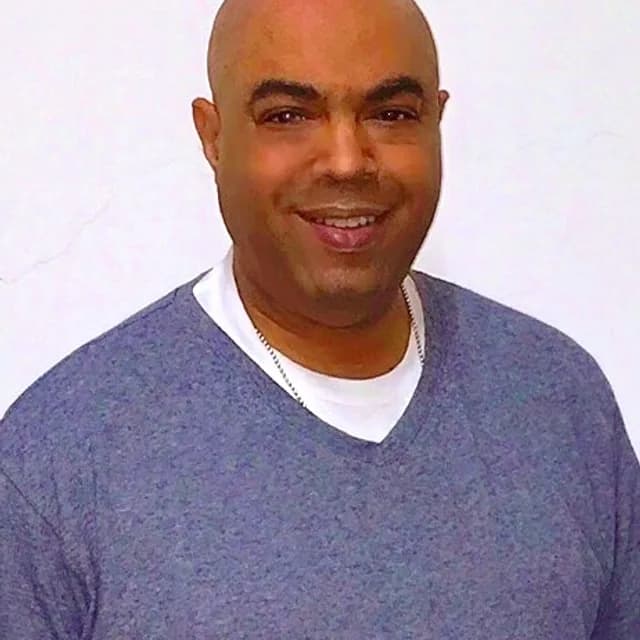
Every engagement is led personally by Dr. David T. Randolph — from the first read of the operation to the cadence that keeps it on track.
Ph.D. (Business Administration) · Ph.D. (Education) · Hon. D.B.E.
How the work moves.
- Step 01
Walk the Floor
Direct observation of the work — warehouses, dispatch desks, account-management calls — before any recommendations are written.
- Step 02
Map the Operating Model
End-to-end map of how a customer becomes revenue, and where the model breaks under volume.
- Step 03
Sequence the Fixes
A prioritized list of changes — by margin impact and execution risk — not a vague transformation roadmap.
- Step 04
Install the Cadence
Operating reviews, role redefinitions, and the small handful of metrics each leader is on the hook for.
What this practice is hired to produce.
- 01Recovery of margin that had been lost to operational drift and unaddressed exceptions.
- 02An operating model that can absorb the next stage of growth without re-firefighting last year's problems.
- 03Customer service the at-risk accounts experience as a step-change, not a promise.
- 04A leadership team running the operating reviews without the advisor in the room.
A deliberately small roster.
- Distributors and 3PLs after a growth event
- Mid-market operators with margin compression they cannot fully explain
- Founders preparing operations for a capital event
- Family offices coordinating multiple operating businesses
Margin is usually lost in a few specific places — not everywhere.
When an operator says margin is compressing and cannot fully explain why, the instinct is to look everywhere at once. The pattern in practice is the opposite: the leak is concentrated in a handful of places — a carrier lane that no longer makes sense, an exception process that quietly consumes the best people's time, an account-management structure that protects the wrong customers. Operations and logistics consulting at TR Group International is built to find those few points, not to launch a company-wide transformation.
That is why the work starts on the floor. Warehouses, dispatch desks, and account-management calls are observed directly before any recommendation is written, because the operating model on the slide and the one running through the building are rarely the same. From that observation comes an end-to-end map of how a customer becomes revenue — and, more usefully, where that flow breaks under volume.
The output is a sequenced list, ordered by margin impact and execution risk, not a vague roadmap. Alongside it comes the operating discipline that makes the fixes stick: weekly and monthly review cadences, redefined roles, and the small set of metrics each leader is on the hook for. The measure of success is a leadership team running those reviews without the advisor in the room.
What lands on the operator's desk.
- An end-to-end operating-model map
- A margin-impact-ranked list of fixes
- Carrier and network design recommendations
- Functional specs for dispatch, ERP, WMS, or CRM
- Weekly and monthly review cadences
- Redefined roles and leader-level metrics
How an engagement is run.
From first conversation to close, the arc of the work is written down, sequenced, and scoped before anyone bills a single hour.
- Phase 01
Scoping Conversation
A first conversation about the operation, the growth event or margin pressure behind it, and where the real questions sit before any scope is drafted.
- Phase 02
Engagement Letter
A written scope, sequence, and fee — with the boundaries of the operational review agreed up front, not renegotiated mid-project.
- Phase 03
Walk the Floor
Direct observation of the work — warehouses, dispatch, and account-management calls — before a single recommendation is written.
- Phase 04
Map & Sequence
An end-to-end map of how a customer becomes revenue, and a prioritized list of fixes ordered by margin impact and execution risk.
- Phase 05
Install the Cadence
Operating reviews, role redefinitions, and the metrics each leader owns — handed over until the team runs them without the advisor present.
Questions worth asking first.
The questions most principals raise before a first conversation — answered plainly.
- 01How is this different from a supply-chain software or 3PL vendor?
- A vendor sells a system or a service; this practice decides whether you need one and what it must do first. Functional specifications for dispatch, ERP, WMS, and CRM are written before any vendor is evaluated — so the tooling decision follows the operating-model decision rather than driving it.
- 02Do you actually visit the operation, or is this a remote review?
- The work starts on the floor. Direct observation of warehouses, dispatch desks, and account-management calls comes before recommendations, because the operating model as documented and the one running through the building are rarely identical.
- 03We are growing fast and firefighting. Is now the wrong time to engage?
- Often it is exactly the right time. Distributors, 3PLs, and mid-market operators most commonly engage after a growth event, when the original operating design has been outgrown. The point of the work is to make the next stage of growth survivable rather than to keep re-firefighting last year's problems.
- 04Will the improvements outlast the engagement?
- That is the deliberate design. The operating reviews, redefined roles, and metric sets are handed over so the leadership team runs the cadence itself. The engagement is judged unfinished until it does.

Most engagements begin with a single, careful conversation.
Reach out to scope this engagement, or start with a single conversation about the decision you are actually trying to make.
- Telephone
- 747-208-2074
- Coverage
- Greater Los Angeles County